

View of Palacio Barolo in Argentina
Photo Credit: Sander Crombach

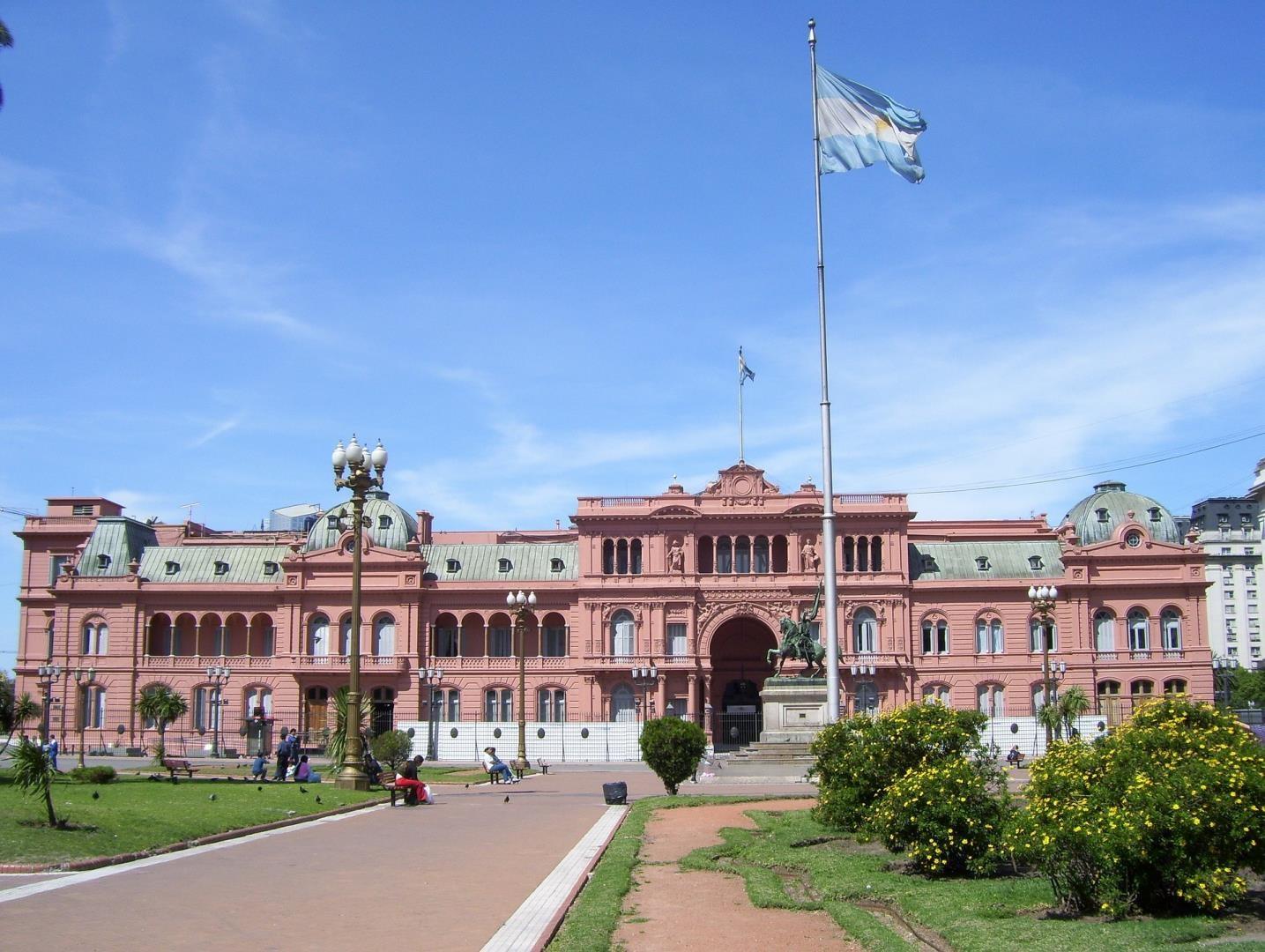
View of Casa Rosada in Buenos Aires
Photo Credit: Julian Zapata

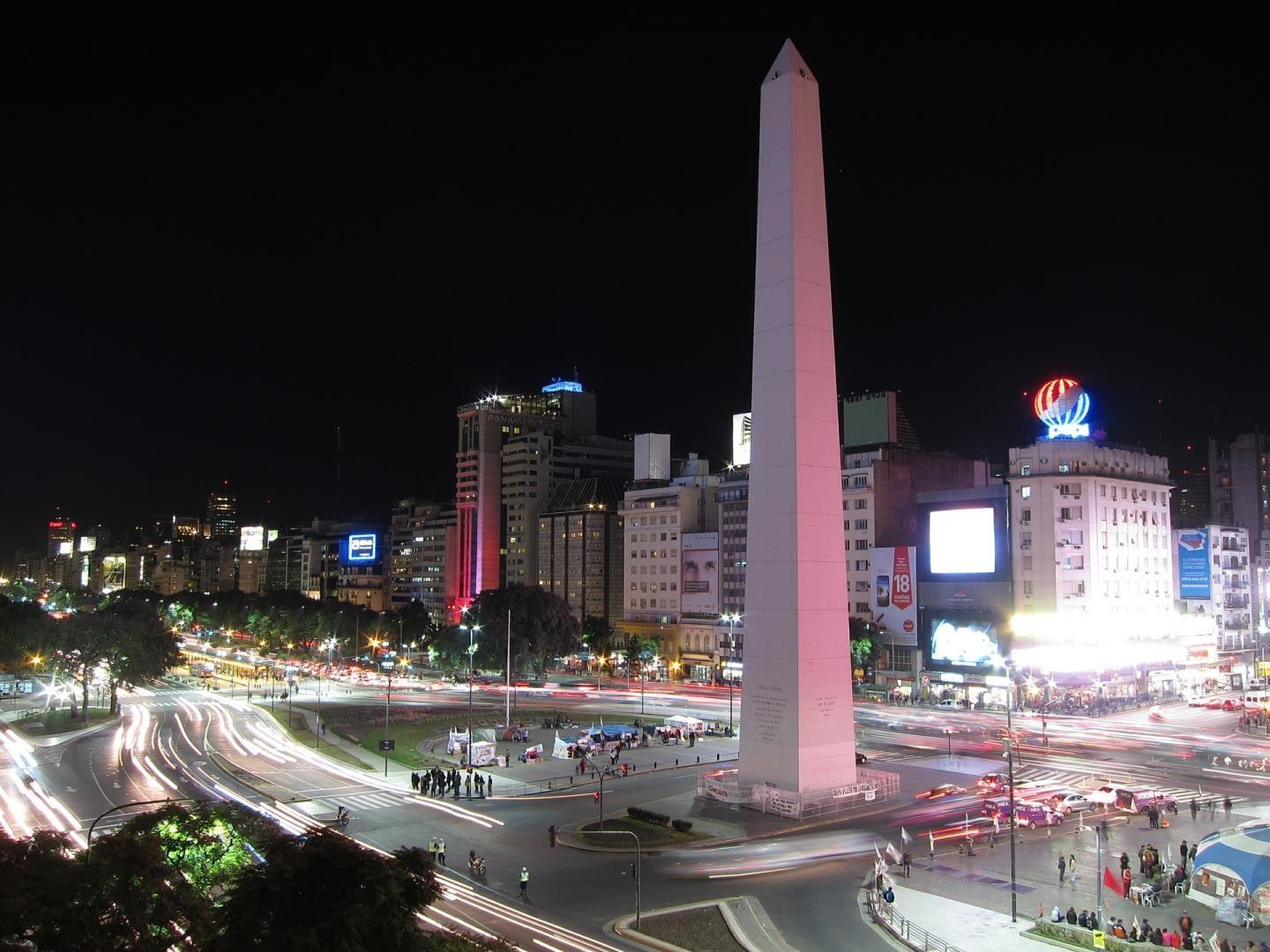
Buenos Aires Obelisk
Photo Credit: Matias Cruz

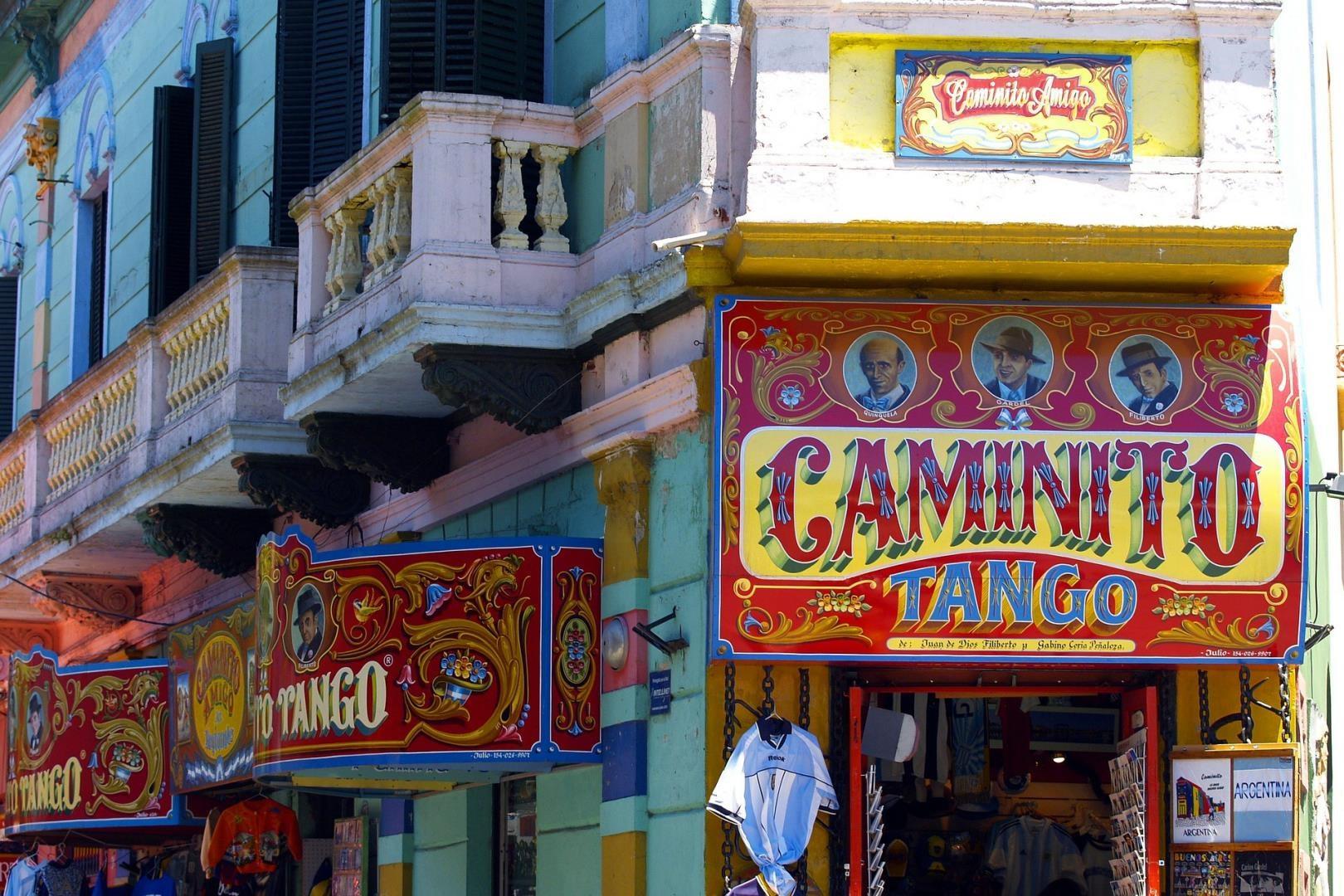
Caminito Façade Buenos Aires
Photo Credit: Username: ArtTower

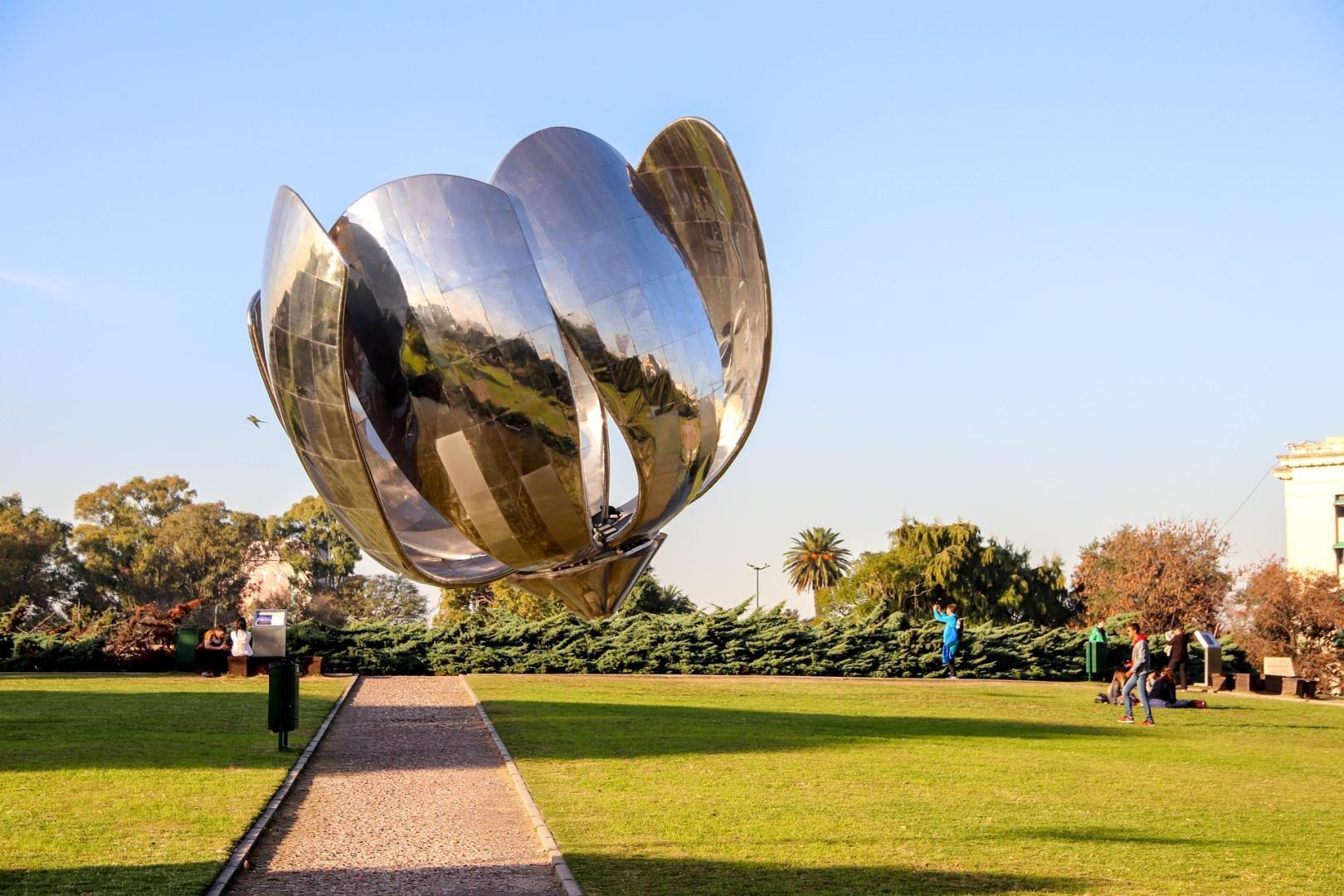
Floralis Generic Argentina
Photo Credit: Luis X

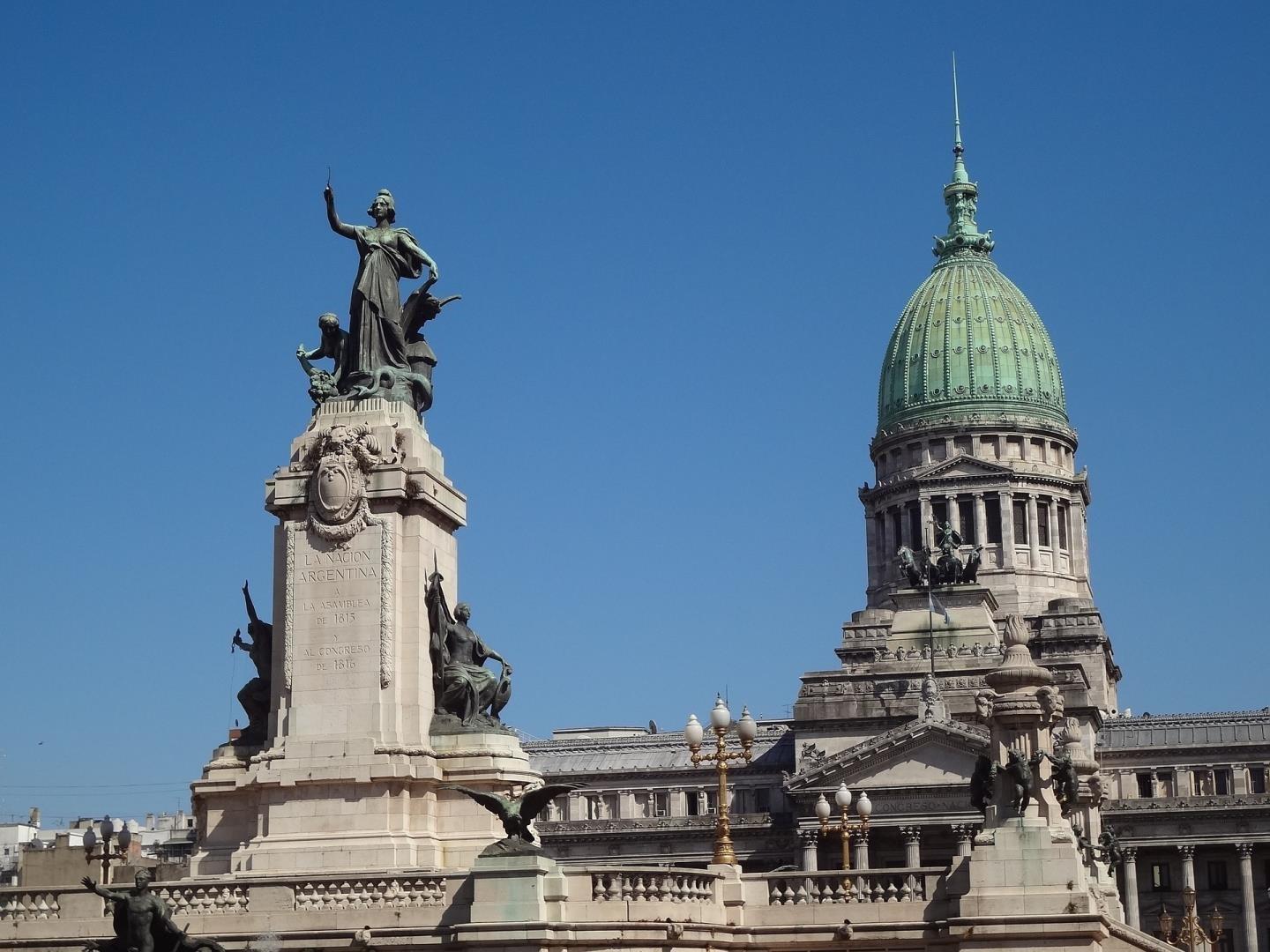
View of La Nacion Argentina statue and dome in Buenos Aires
Photo Credit: User ID 139904

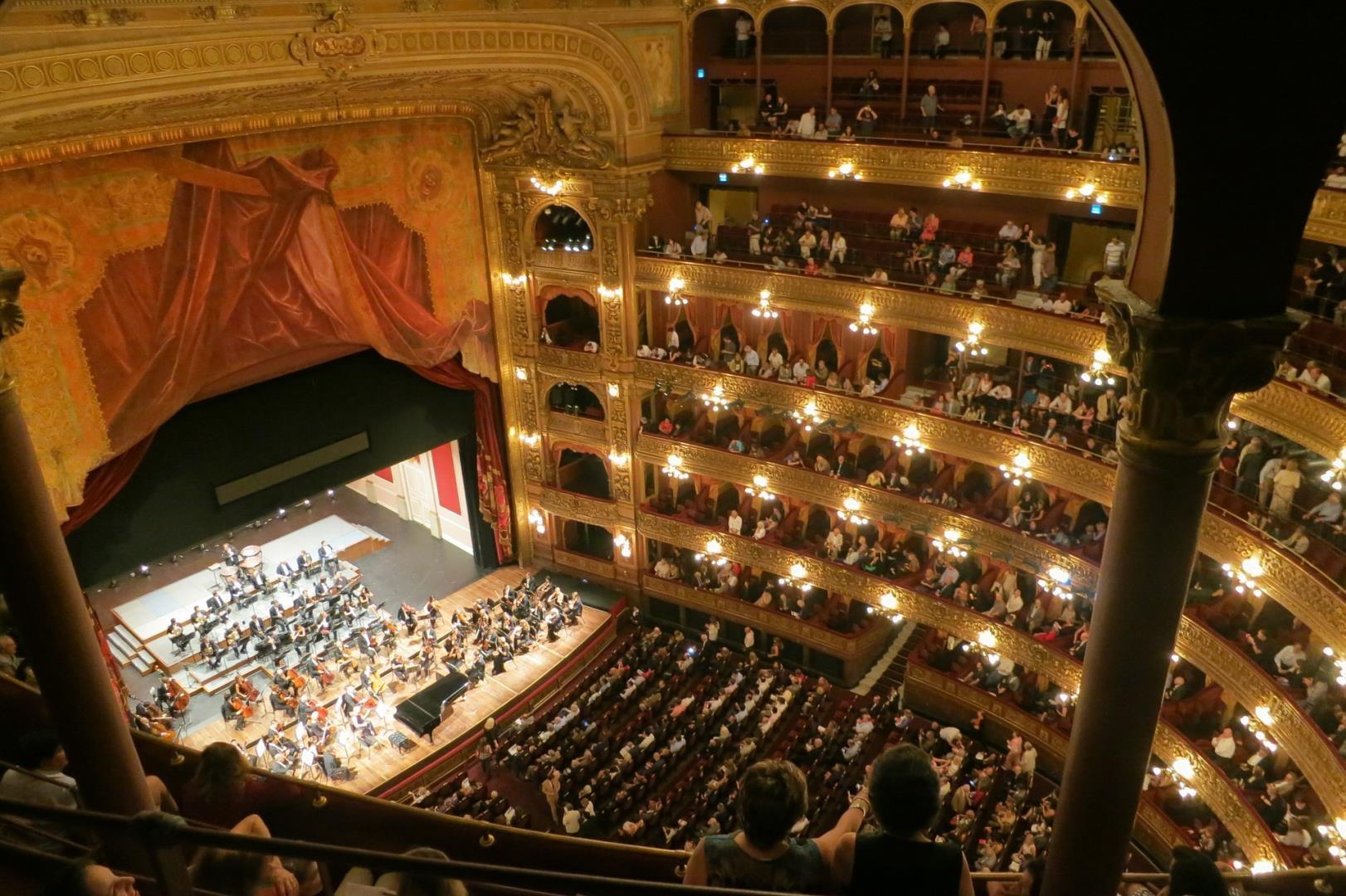
Interior view of opera house in Buenos Aires
Photo Credit: Username: TravelCoffeeBook

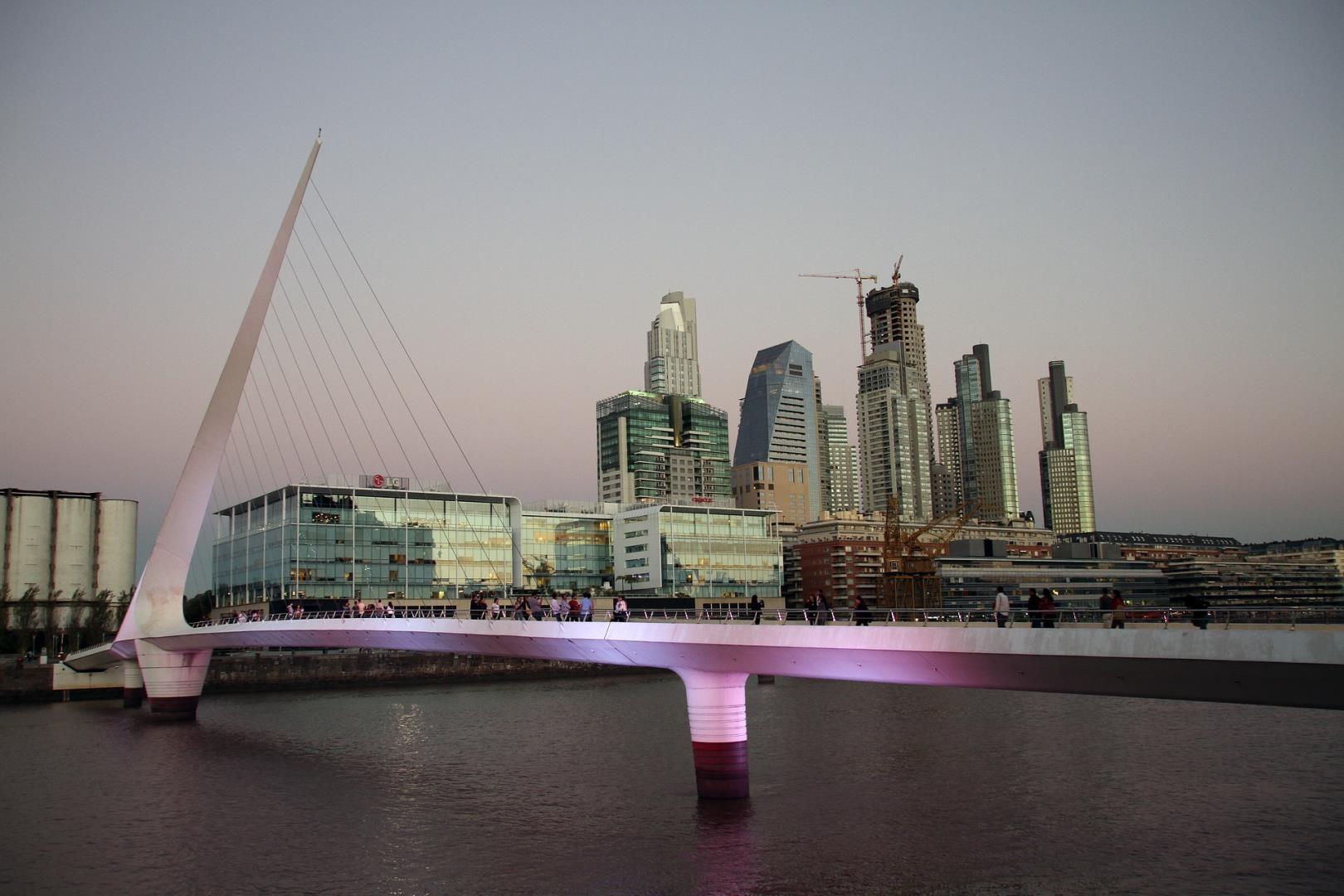
View of Puente de la Mujer bridge in Buenos Aires
Photo Credit: Monica Volpin

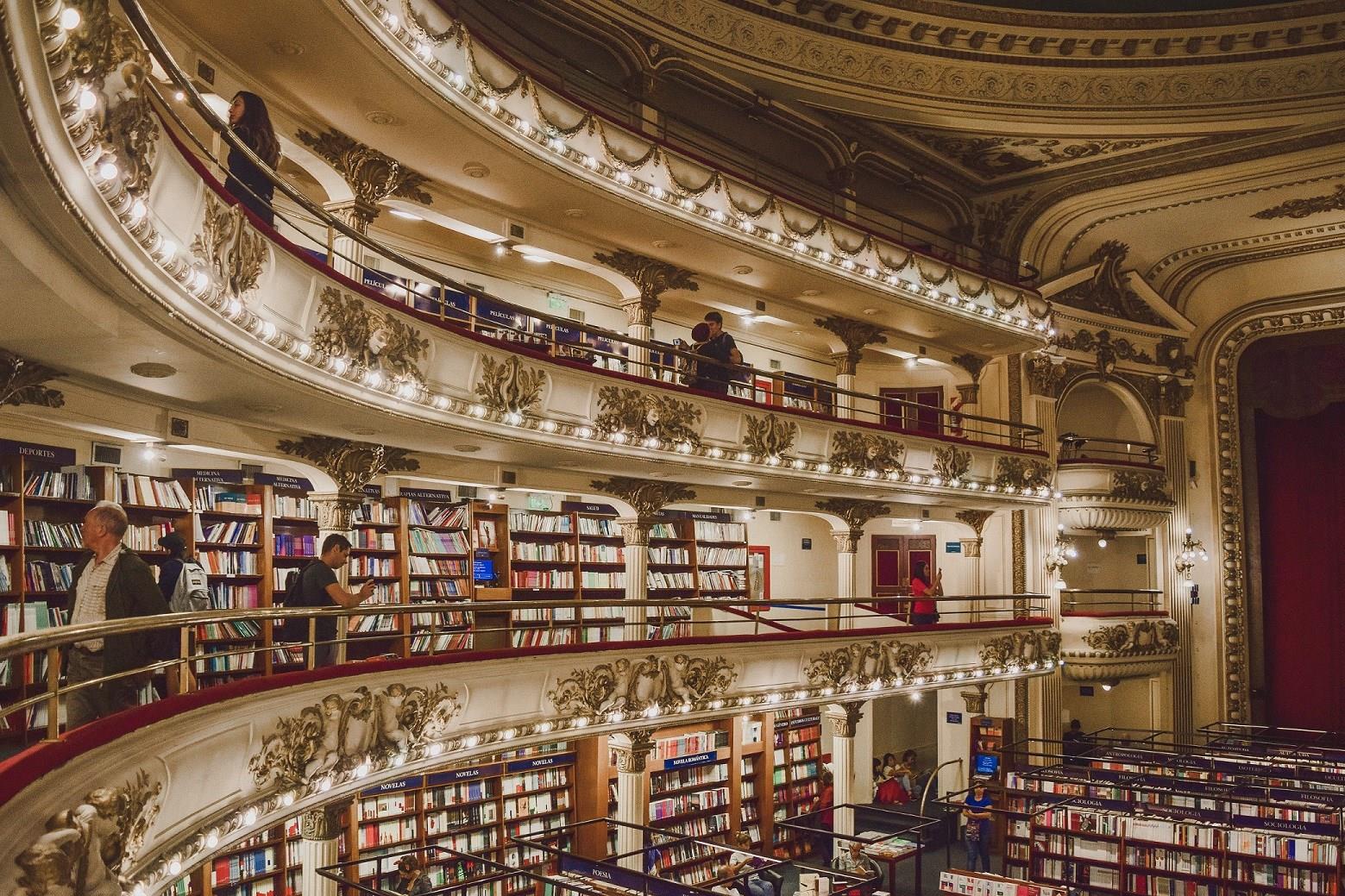
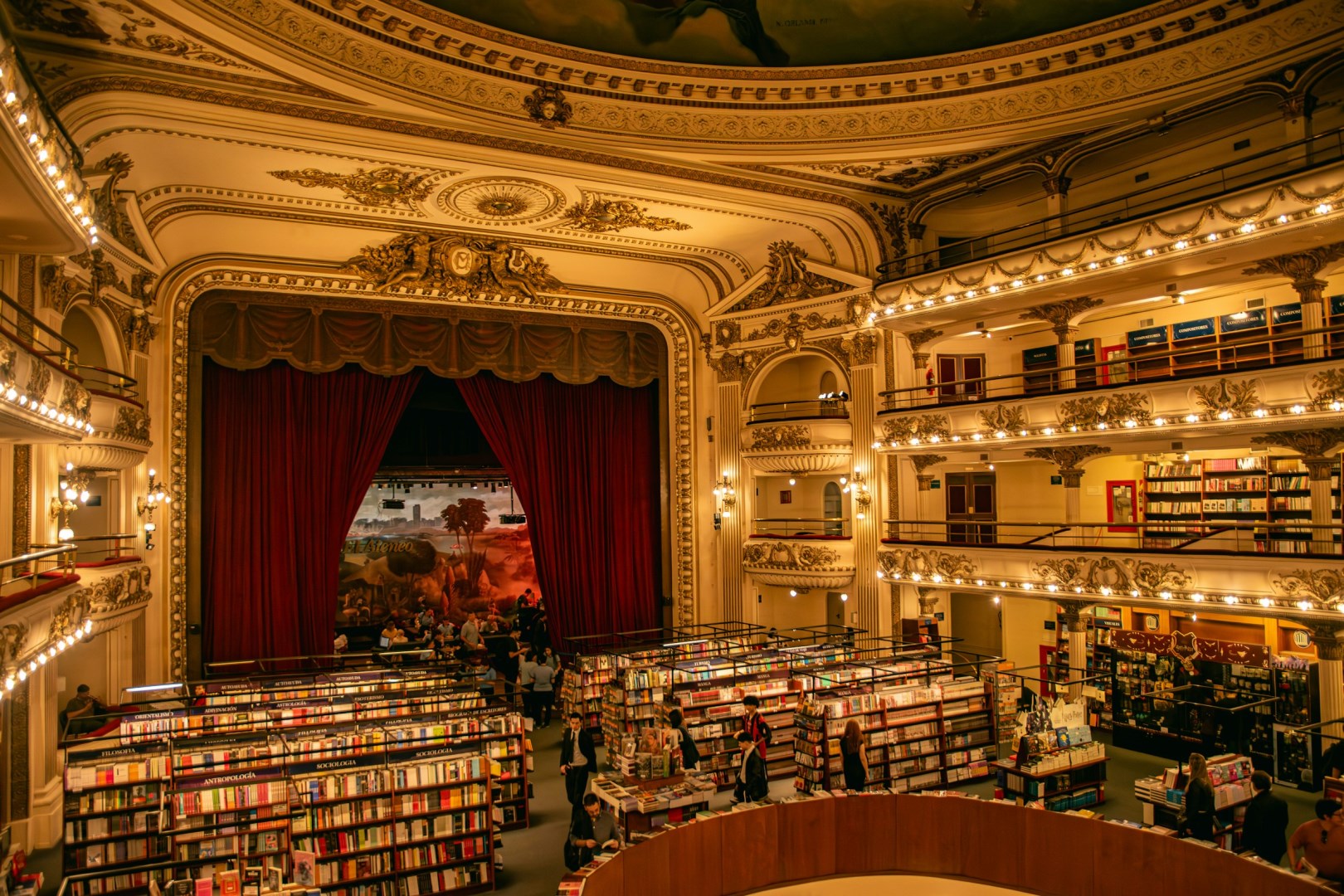
Interior view of library and books in El Ateneo Grand Splendid
Photo Credit: Norali Nayla

El Ateneo Grand Splendid
Photo Credit: Photo by Antony Henao on Unsplash

Centro Cultural Recoleta
Photo Credit: Photo by Odinei Ramone on Unsplash

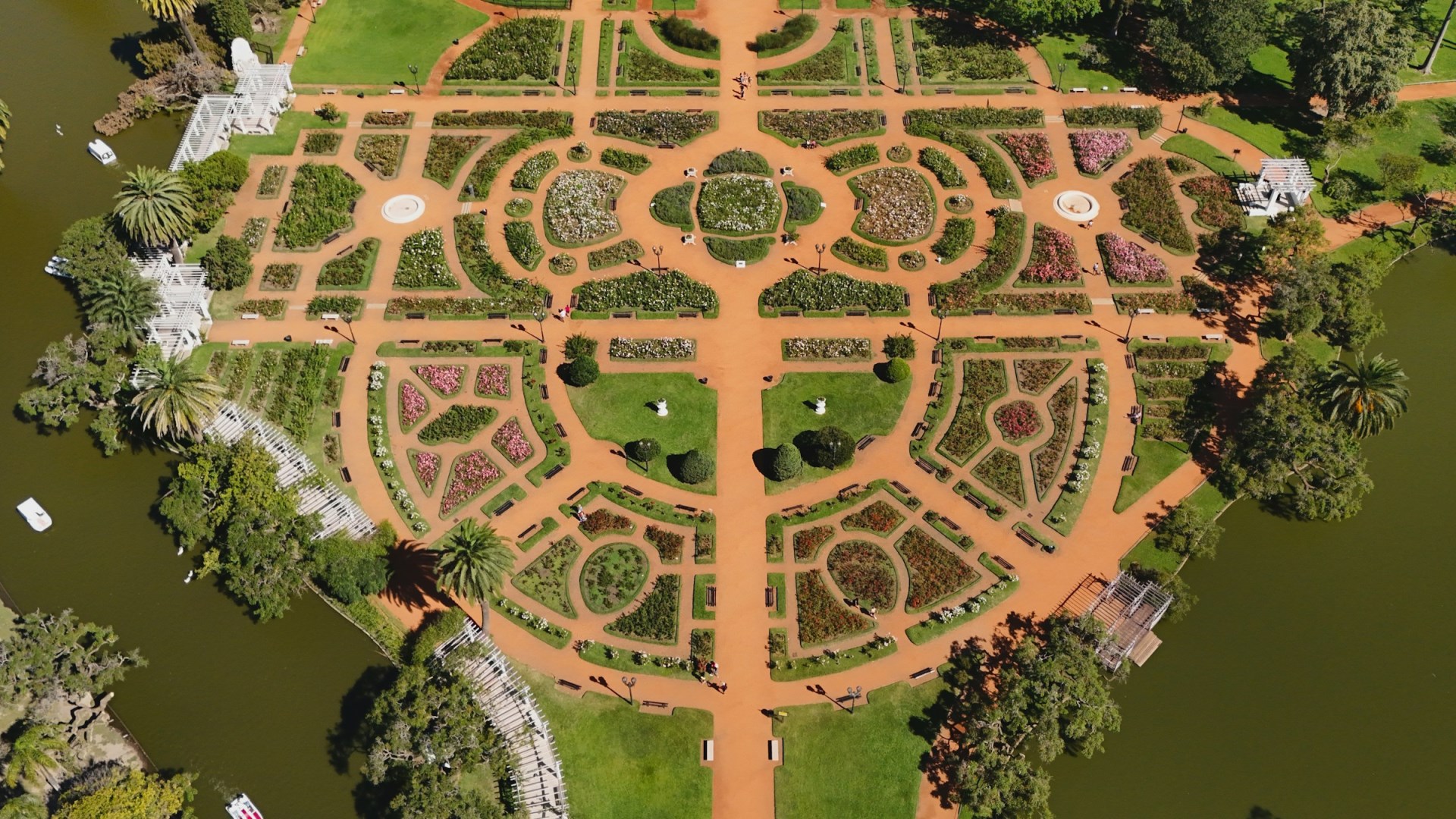
El Rosedal Garden
Photo Credit: Photo by Juan Pablo Mascanfroni on Unsplash

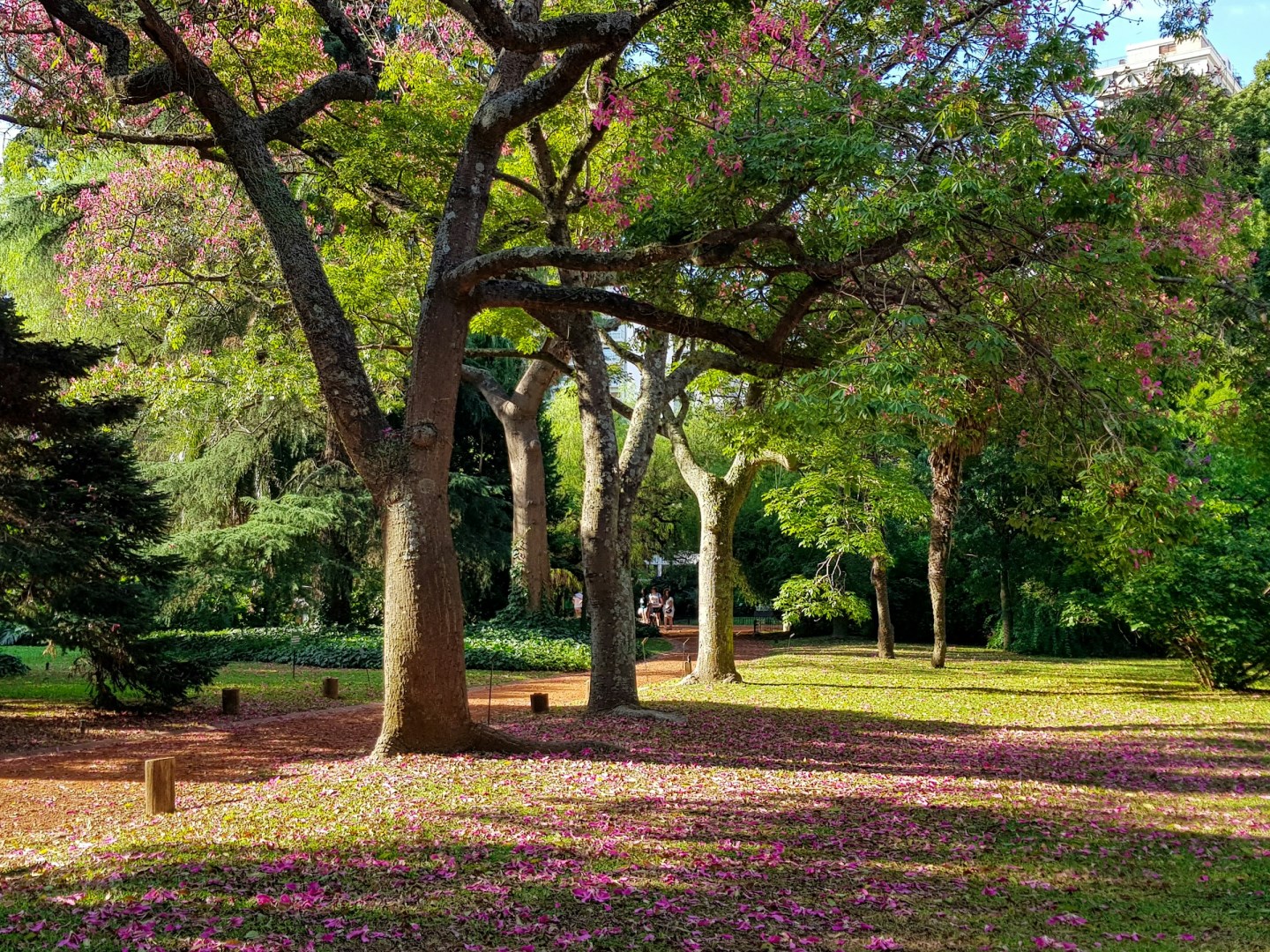
Jardín Botánico Carlos Thays
Photo Credit: Photo by Christian von Koenig on Unsplash

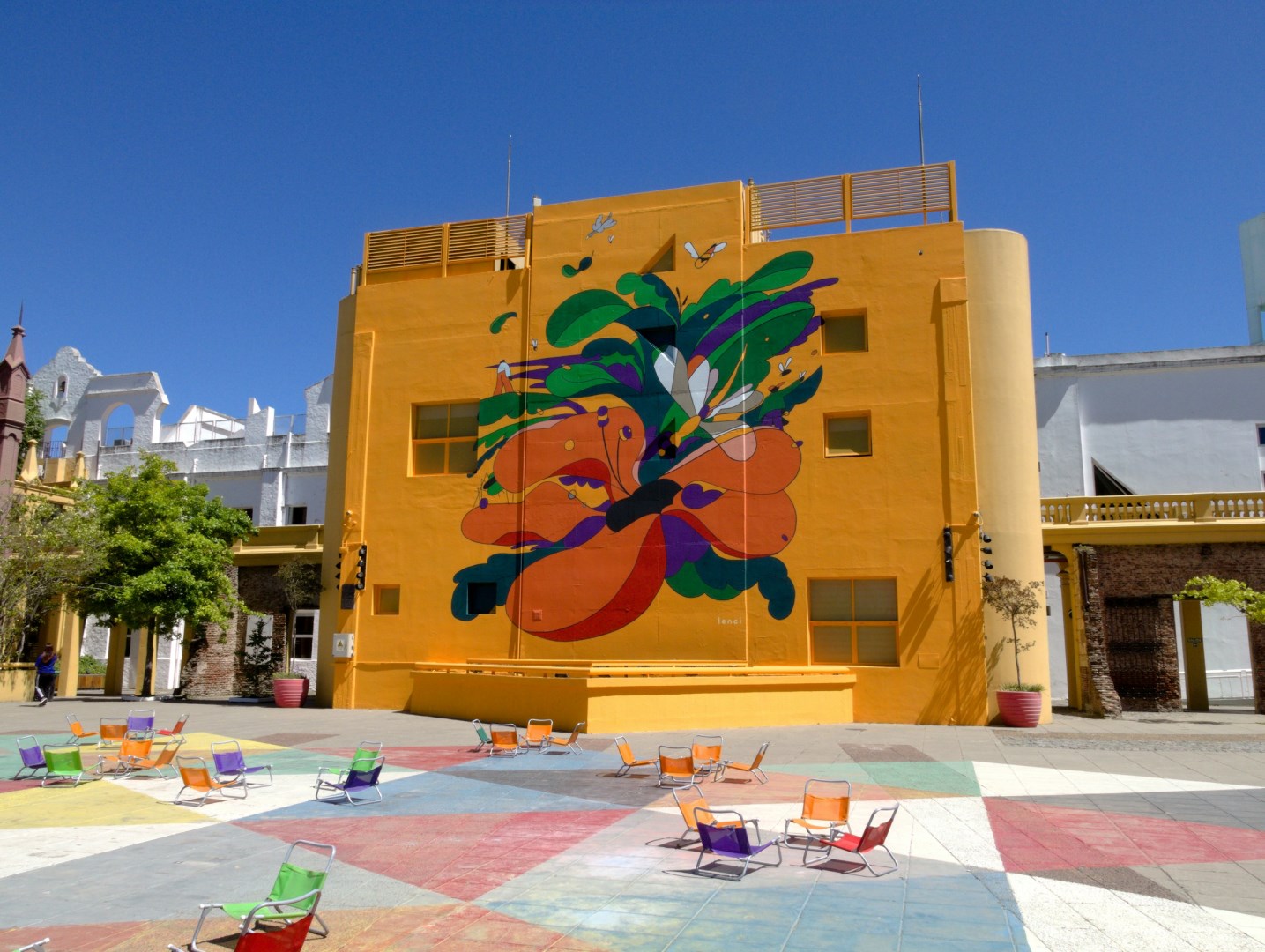
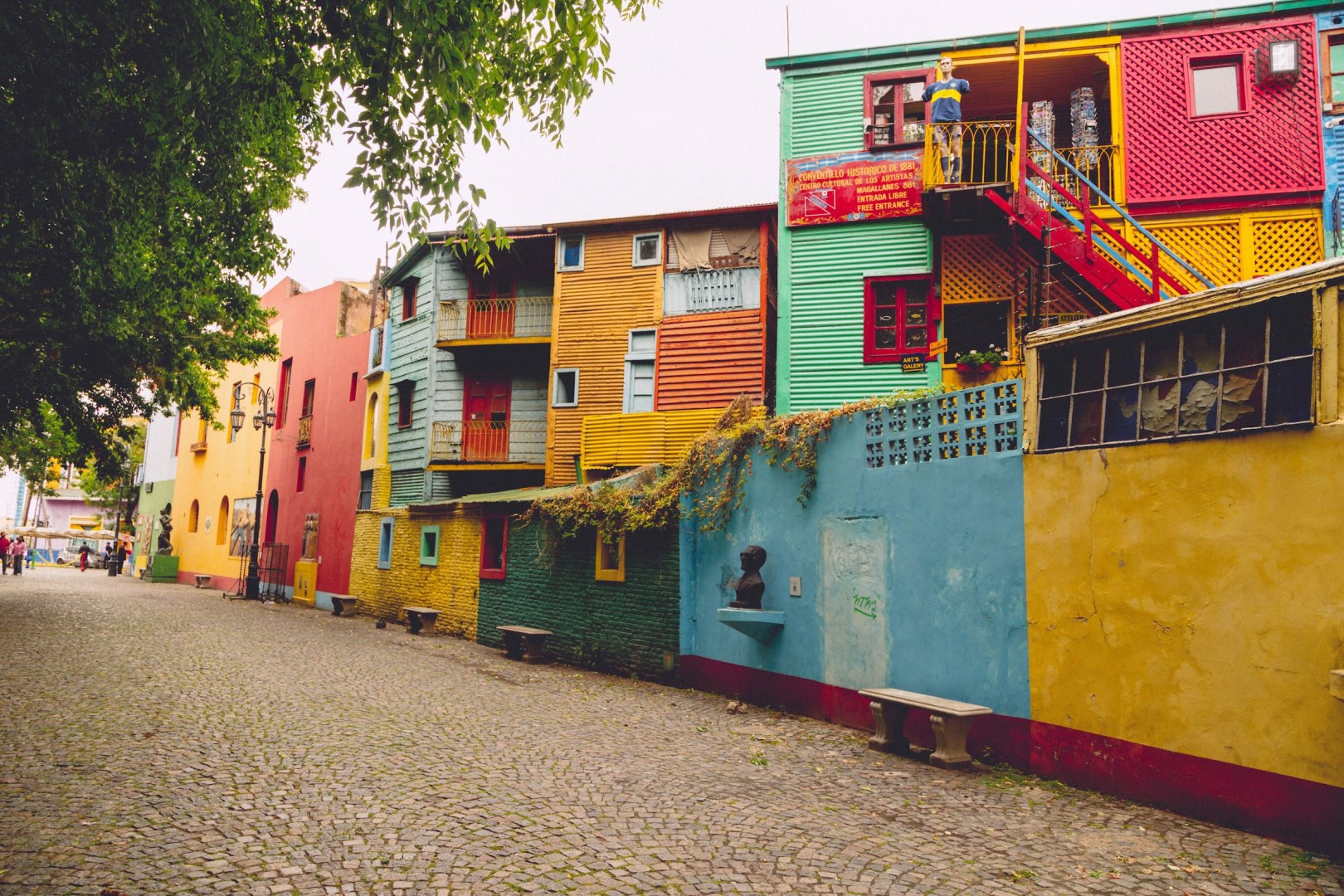
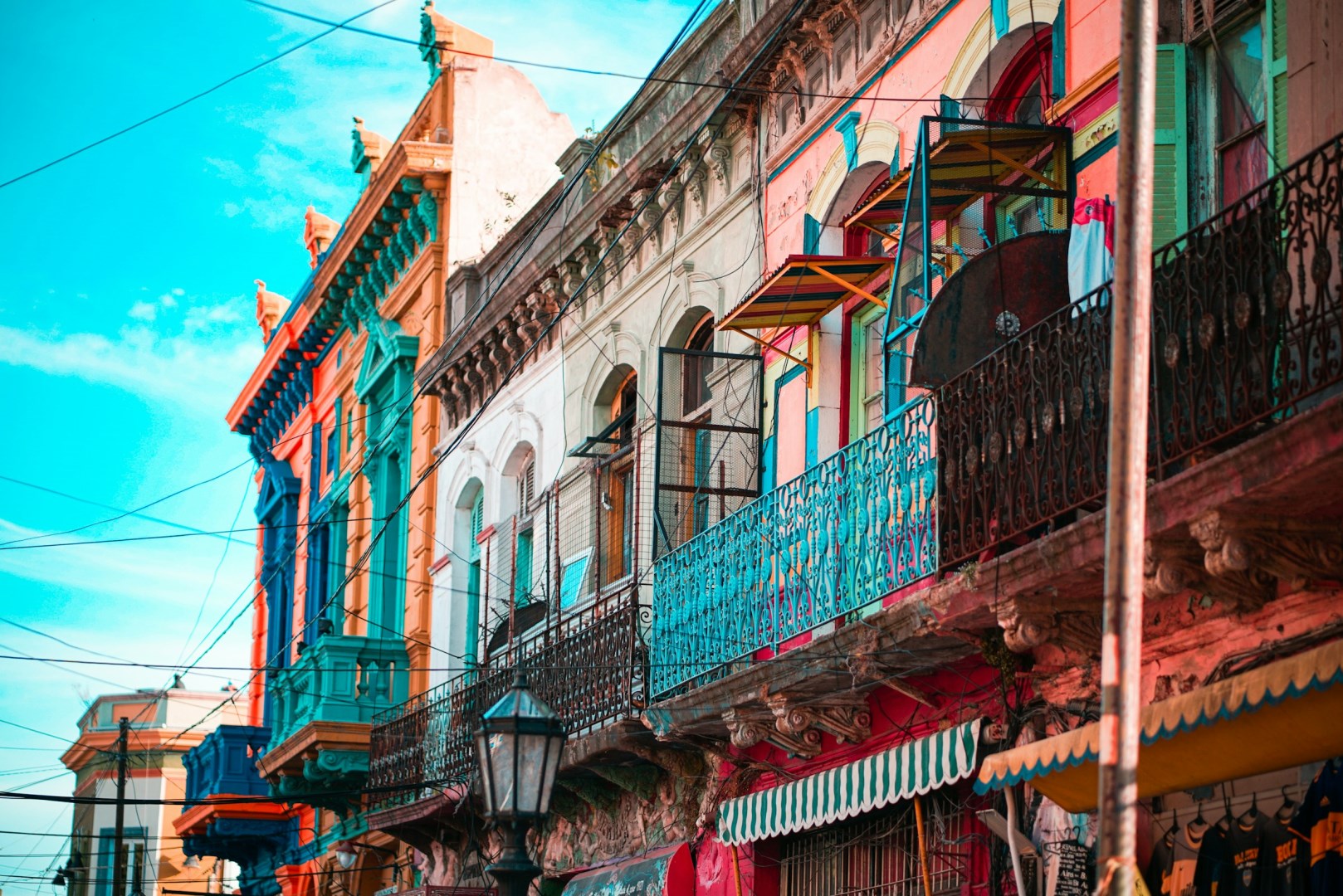
La Boca
Photo Credit: Photo by Gustavo Sánchez on Unsplash

Caminito in La Boca
Photo Credit: Photo by Barbara Zandoval on Unsplash

Teatro Colón
Photo Credit: Photo by Paul on Unsplash

Recoleta Cemetery
Photo Credit: Photo by Marisa Cornelsen on Unsplash

Teatro Colón
Photo Credit: Photo by João Rafael Chaves de Araújo Silva
Buenos Aires, the vibrant political and cultural capital of Argentina, has become an enticing destination for many travelers and a must-see destination in South America. Founded in the sixteenth century by Spanish explorers, Buenos Aires has since developed its own unique flair.
Hints of Buenos Aires’s colonial origins can be found in the Plaza de Mayo city center, including the Cabildo, the Spanish colonial town hall turned museum, and Casa Rosada, the iconic governmental building. This bright pink palace was once the site for Eva Peron’s political speeches, immortalized in Broadway’s Evita, and is a favorite landmark for photographs. In contrast, La Boca’s famous Caminito street museum bursts with brilliant hues of blue, red, green, and yellow and is a haven for local Argentine artists, chefs, and dancers.
Buenos Aires abounds with art, beauty, and romance. The luxurious Teatro Colón opera house rivals those in Paris and London, while El Ateneo Grand Splendid bookstore, housed in an old cinema theater, is a book-lover’s paradise. Stop by the Café Tortoni to delight in fresh coffee and churros or listen to live tango and jazz performances. Browse eclectic and traditional antiques in Plaza Dorrego’s San Telmo fair. Marvel at the city’s Floralis Genérica sculpture, whose massive aluminum and steel petals open or close in response to sunlight and wind.
Buenos Aires’s stunning blend of colonial, European, and modern architecture, gastronomy, and attractions will enthrall you at every turn!
Learn More About Buenos Aires
View of Casa Rosada in Buenos Aires
Photo Credit: Julian Zapata
Casa Rosada
The iconic pink governmental palace, which houses the offices of Argentina's president, is located in the central Plaza de Mayo.
Buenos Aires Obelisk
Photo Credit: Matias Cruz
Obelisco de Buenos Aires
The obelisk, located on Buenos Aires's Avenido 9 de Julio, is instantly recognizable and embodies the strength of the city. This monument celebrates the city's founding and independence.
Floralis Generic Argentina
Photo Credit: Luis X
Floralis Genérica
This striking floral sculpture, constructed from steel and aluminum, moves with the daily changes in daylight and wind.
Caminito Façade Buenos Aires
Photo Credit: Username: ArtTower
Caminito Street Museum
Located in Buenos Aires's La Boca neighborhood, Caminito street has become a walkable, outdoor museum of vivid color, authentic Argentine art, delicious cuisine, and local tango bands. This is a must-see stop for any tourist!
Interior view of library and books in El Ateneo Grand Splendid
Photo Credit: Norali Nayla
El Ateneo Grand Splendid
One of the world's most magnificent libraries, this lavish bookstore resides in an old cinema. Its balconies hold thousands of books for eager book-worms and tourists to peruse beneath the warm theater lights.
La Boca
Photo Credit: Photo by Gustavo Sánchez on Unsplash
Caminito in La Boca
Photo Credit: Photo by Barbara Zandoval on Unsplash
La Boca
When you think of Buenos Aires, you likely think of the colorful buildings in the La Boca neighborhood. La Boca is also a great place to sit at an outdoor cafe and watch the tango artists perform.
El Rosedal Garden
Photo Credit: Photo by Juan Pablo Mascanfroni on Unsplash
El Rosedal de Palermo
El Rosedal de Palermo is a formal rose garden within Parque Tres de Febrero in the Palermo district of Buenos Aires. The garden is arranged around a lake and contains more than 18,000 roses, with varieties including Sevillana, Johan Strauss, Charles Aznavour, Frederic Mistral, and Elina. Walking paths pass between the rose beds and connect the garden with the surrounding park. Its design gives the area a structured landscape of flower beds, water, bridges, and shaded paths, making El Rosedal one of the most recognizable green spaces in the city. The garden also contains several features that connect it with Buenos Aires’s artistic and cultural heritage. The Jardín de los Poetas displays busts honoring writers and poets from different countries, including Dante Alighieri, William Shakespeare, Jorge Luis Borges, Antonio Machado, and Federico García Lorca. A Greek-style bridge crosses the lake, while the Patio Andaluz was presented to Buenos Aires by the city of Seville. A pergola covered with climbing roses and other plants adds another architectural element to the garden, creating a setting where sculpture, literature, horticulture, and landscape design are brought together. El Rosedal occupies about 3.4 hectares beside one of the lakes of Parque Tres de Febrero. The lake provides a habitat for waterfowl and gives the garden an open setting within the larger park, while paths around the water connect it with nearby recreational areas. The rose beds are the garden’s central feature, with flowering periods bringing different colors and varieties into view. Beyond the garden itself, Parque Tres de Febrero contains extensive lawns, mature trees, cycle paths, other gardens, and cultural attractions, making El Rosedal part of a much larger urban landscape. El Rosedal is particularly associated with its roses rather than with food or commercial attractions, but its surrounding Palermo neighborhood provides numerous cafés and restaurants within walking distance. The garden has also received international recognition from the World Federation of Rose Societies through its Garden Excellence Award. Its design is associated with landscape architect and agronomist Benito Carrasco, who worked within the broader tradition of landscape design established in Buenos Aires by Carlos Thays. The combination of a large rose collection, literary monuments, ornamental architecture, and a central lake distinguishes El Rosedal from the city’s more informal public parks.
Centro Cultural Recoleta
Photo Credit: Photo by Odinei Ramone on Unsplash
Centro Cultural Recoleta
Centro Cultural Recoleta is a major arts and cultural center in Buenos Aires, located beside Plaza Francia in the Recoleta neighborhood. It occupies a historic complex that has served religious, charitable, and military functions before becoming a public cultural institution. Today, its galleries and exhibition spaces present contemporary art, photography, design, music, dance, theater, and other creative disciplines, with a strong focus on young artists and emerging cultural projects. The building combines preserved architectural elements with modern exhibition areas, while its courtyards and terraces provide additional spaces for performances, workshops, and public events.
Jardín Botánico Carlos Thays
Photo Credit: Photo by Christian von Koenig on Unsplash
Jardín Botánico Carlos Thays
Jardín Botánico Carlos Thays is a historic botanical garden in Buenos Aires’s Palermo neighborhood, covering more than seven hectares near Plaza Italia. Designed by landscape architect Carlos Thays, the garden contains thousands of plant specimens representing Argentina and other parts of the world, arranged among formal gardens, lawns, paths, and shaded areas. Its collection includes native species, medicinal plants, cacti, and plants from different climatic regions. The grounds also contain greenhouses, sculptures, and the former residence of Carlos Thays, which now houses administrative and cultural spaces. The garden provides an important green space within one of Buenos Aires’s busiest districts.
Teatro Colón
Photo Credit: Photo by Paul on Unsplash
Teatro Colón
Photo Credit: Photo by João Rafael Chaves de Araújo Silva
Teatro Colón
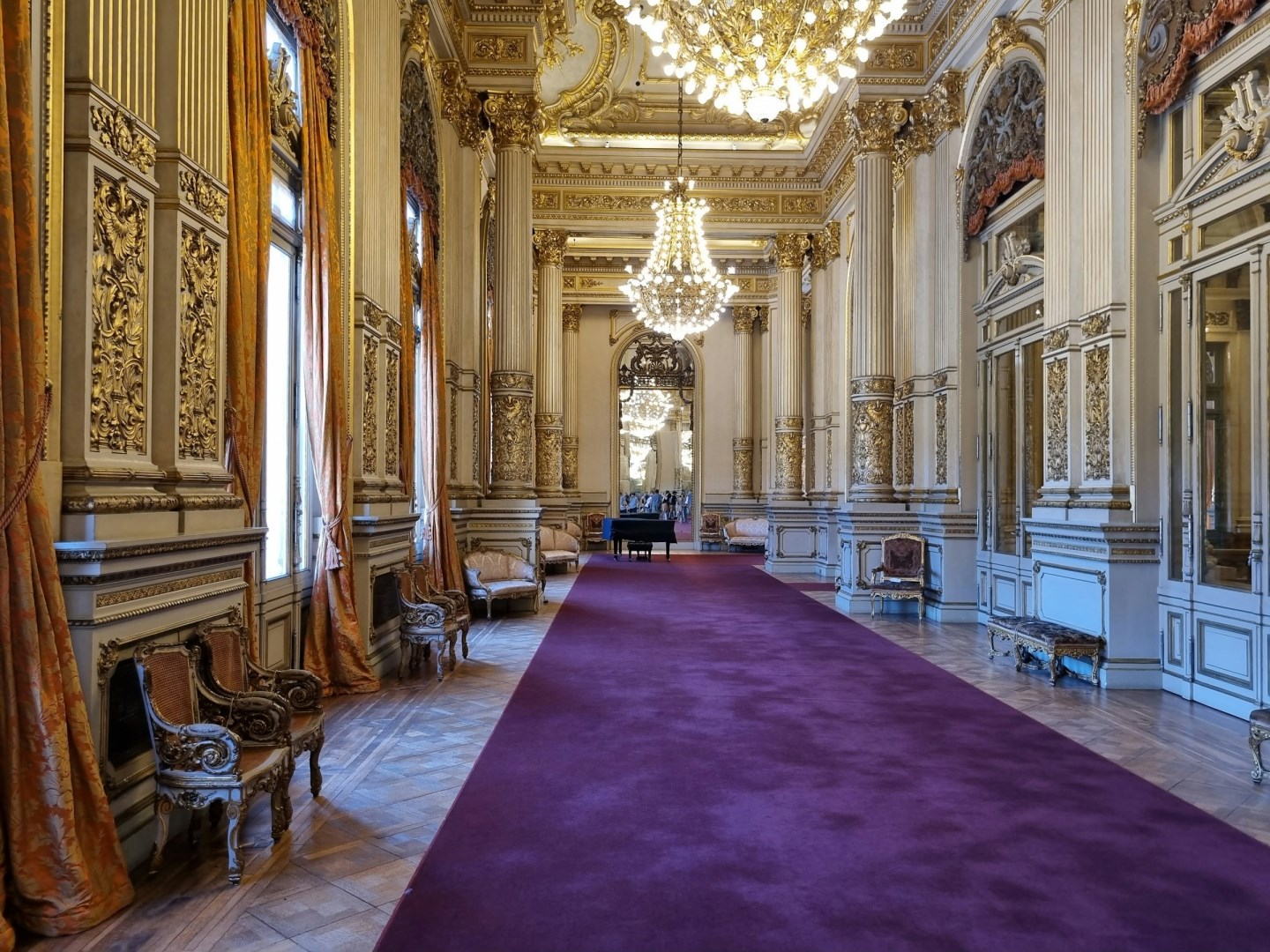
Teatro Colón is Buenos Aires’s principal opera house and one of the city’s most important performing arts institutions. Located near Plaza Lavalle, the theater is known for its elaborate interior, grand horseshoe-shaped auditorium, and strong acoustics, which have made it a major venue for opera, ballet, and orchestral performances. Its artistic program has featured internationally recognized singers, conductors, musicians, and dancers, while its workshops support the production of costumes, scenery, and other theatrical elements. Guided tours provide access to spaces such as the Golden Hall, Main Hall, and backstage areas, offering a closer look at the theater’s architecture and technical operations.
Recoleta Cemetery
Photo Credit: Photo by Marisa Cornelsen on Unsplash
Recoleta Cemetery
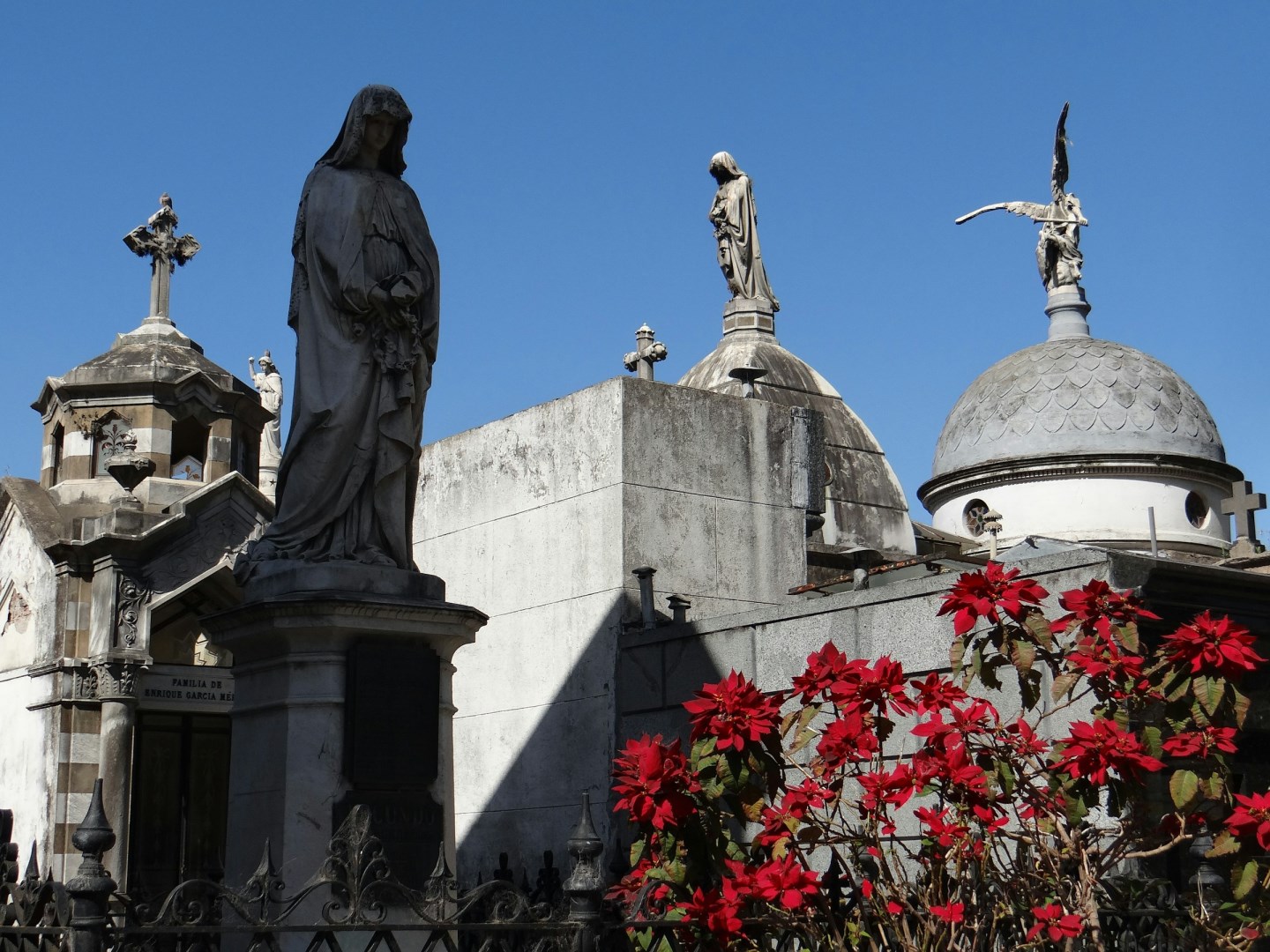
Recoleta Cemetery is one of Buenos Aires’s best-known historic cemeteries, located in the Recoleta neighborhood beside the Basilica of Our Lady of the Pillar. Its densely arranged mausoleums, sculptures, and monumental tombs create a distinctive architectural landscape, with styles ranging from Neoclassical and Art Deco to Art Nouveau. The cemetery contains the graves of numerous prominent Argentine figures, including Eva Perón, presidents, military leaders, writers, and scientists. Notable monuments include the tombs of Rufina Cambaceres, Liliana Crociati, and the Alvear family, while the narrow pathways provide a close view of the elaborate stonework and sculpture.
Other Popular Destinations in Argentina
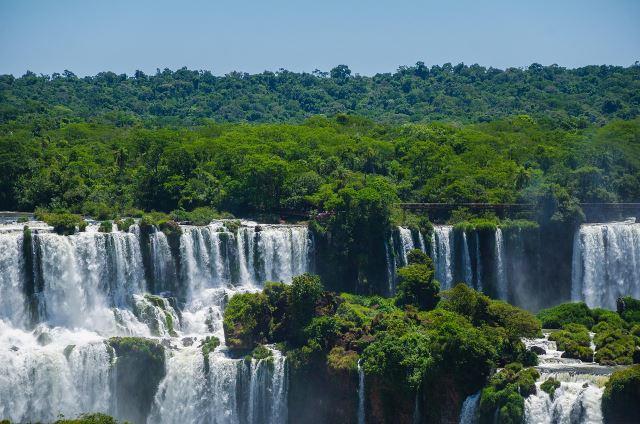
Situated in the Parque Nacional Iguazú near Puerto Iguazú, these spectacular falls lie just east of the confluence of the Iguazu and Paraná rivers. At least 5000 cubic m of water per second plunge the 70m into the abyss below.
Are you ready to go to the End of the World? Stunning views of snow-capped mountain peaks await you in Ushuaia, located on the southernmost tip of South America. This small coastal town sits between the Martial Mountains and the Beagle Channel and is a popular embarkation point for Antarctic cruises. Visit some of Ushuaia's popular attractions, including Les Éclaireurs Lighthouse, Tierra del Fuego National Park, Lapataia Bay, and the Museo del Fin del Mundo.
|
|
|






 Carnival Cruise Lines
Fun for All. All for Fun.
Carnival Cruise Lines
Fun for All. All for Fun.
 Celebrity Cruises
Nothing Comes Close
Celebrity Cruises
Nothing Comes Close
 Cunard Line
The Most Famous Ocean Liners in the World.
Cunard Line
The Most Famous Ocean Liners in the World.
 Disney Cruise Line
Magic Included!
Disney Cruise Line
Magic Included!
 Holland America Line
Savor the Journey.
Holland America Line
Savor the Journey.
 MSC Cruises





























 Call Us