Photo Credit: Marco Torrazzina

Ruta al río Piraí
Photo Credit: Photo by Manuel Terceros on Unsplash

Photo Credit: Photo by Hugo Kruip on Unsplash

Photo Credit: Photo by Jon Tyson on Unsplash

Photo Credit: Photo by Peter Burdon on Unsplash

Photo Credit: Photo by Katharina Ernst on Unsplash
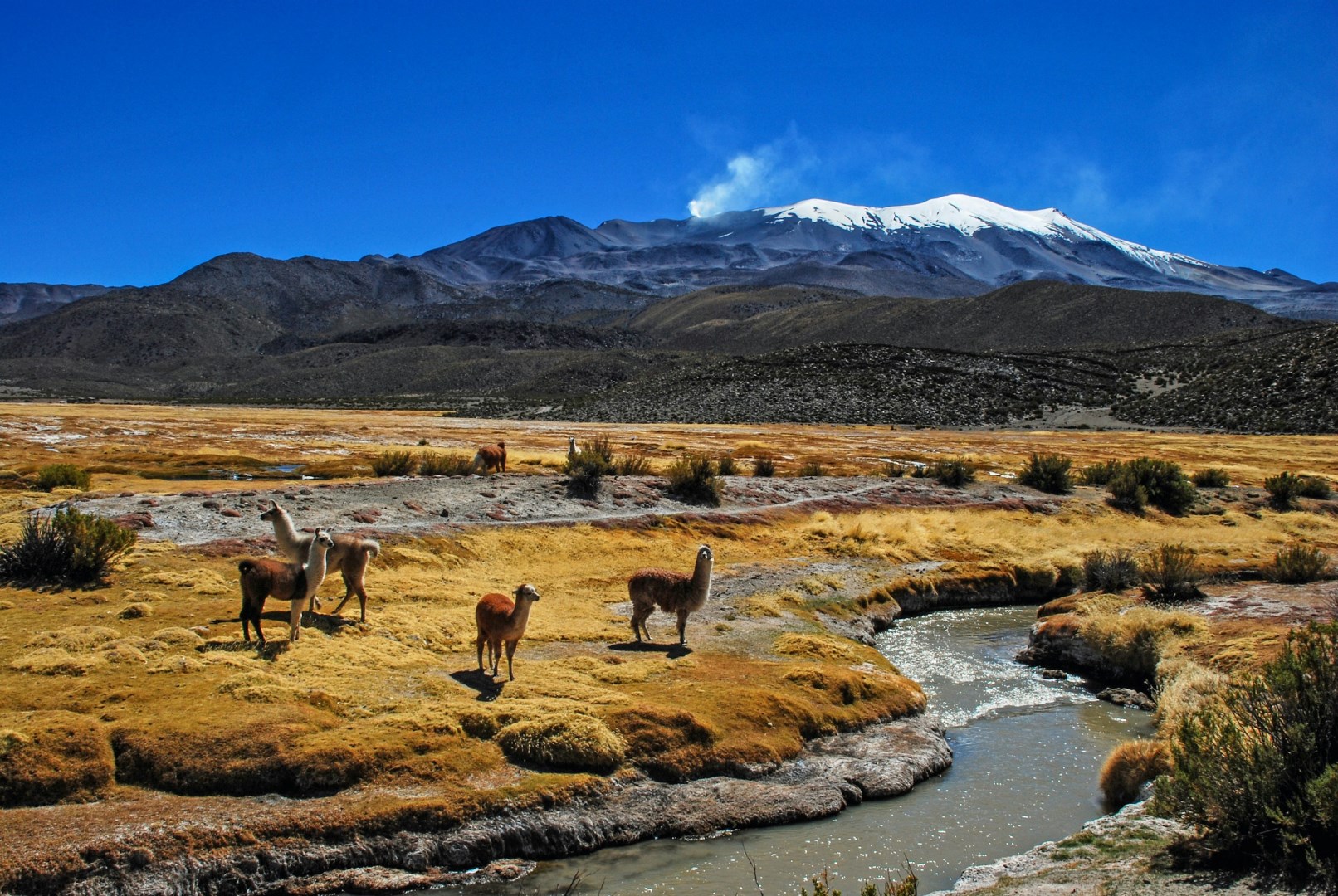
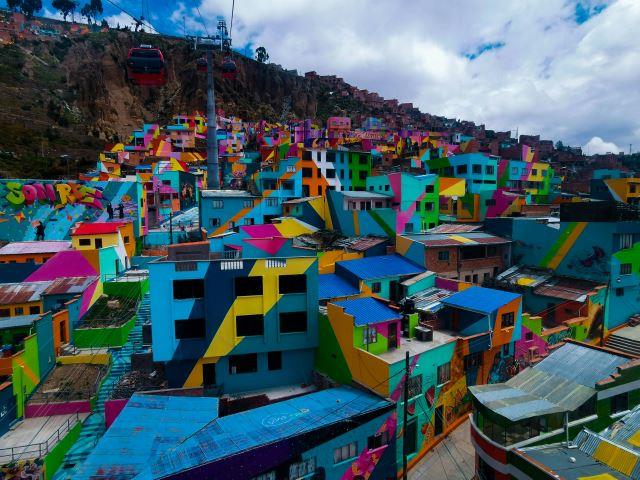
Bolivia is a country where altitude meets attitude high in the Andes with rich traditions that stretch back thousands of years. Its capital, La Paz, sits in a bowl-shaped valley surrounded by jagged peaks, making it one of the highest cities in the world. Cable cars glide over the city’s rooftops, linking markets, museums, and neighborhoods in a way that doubles as both transport and sightseeing. From here, visitors can easily reach the Moon Valley, a strange landscape of eroded clay spires just 10 kilometers from the city center.
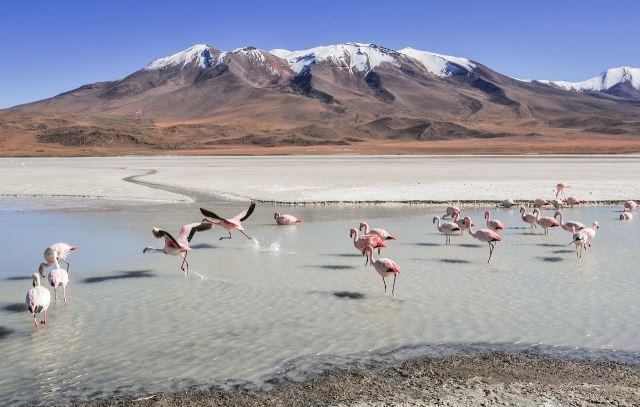
One of Bolivia’s most iconic destinations is the Salar de Uyuni, the world’s largest salt flat. This otherworldly expanse transforms into a mirror during the rainy season, when a thin layer of water reflects the sky so perfectly that the horizon disappears. Travelers often stay overnight in hotels made entirely of salt blocks, then wake early to catch sunrise over the endless white. Tours also visit colorful lagoons dotted with flamingos, geysers, and surreal rock formations like the Árbol de Piedra.
Popular Destinations in Bolivia
La Paz, Bolivia’s seat of government, is one of the world’s highest capital cities, dramatically set in a deep canyon carved by the Choqueyapu River. Founded in 1548 atop an important Indigenous settlement, the city has long been a crossroads of Andean cultures, colonial history, and modern political life.
Lake Titicaca, perched at over 3,800 meters above sea level, is the highest navigable lake in the world and a place where ancient stories still echo across the water. Shared by Bolivia and Peru, this lake has long been considered sacred by the Andean peoples. According to Inca legend, it was from Titicaca’s deep blue waters that the first humans were created. Today, the lake remains a center of cultural tradition, spiritual significance, and daily life for many who live along its shores.
|
|






 Carnival Cruise Lines
Fun for All. All for Fun.
Carnival Cruise Lines
Fun for All. All for Fun.
 Celebrity Cruises
Nothing Comes Close
Celebrity Cruises
Nothing Comes Close
 Cunard Line
The Most Famous Ocean Liners in the World.
Cunard Line
The Most Famous Ocean Liners in the World.
 Disney Cruise Line
Magic Included!
Disney Cruise Line
Magic Included!
 Holland America Line
Savor the Journey.
Holland America Line
Savor the Journey.
 MSC Cruises
























 Call Us