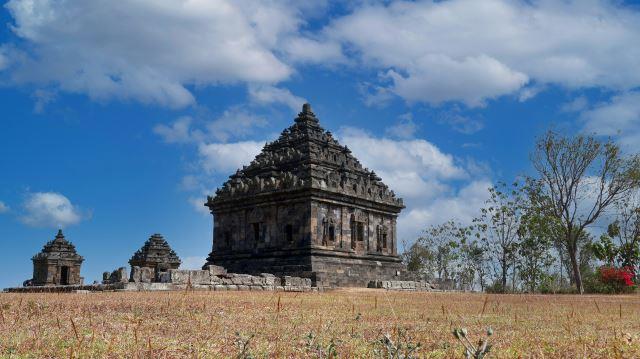
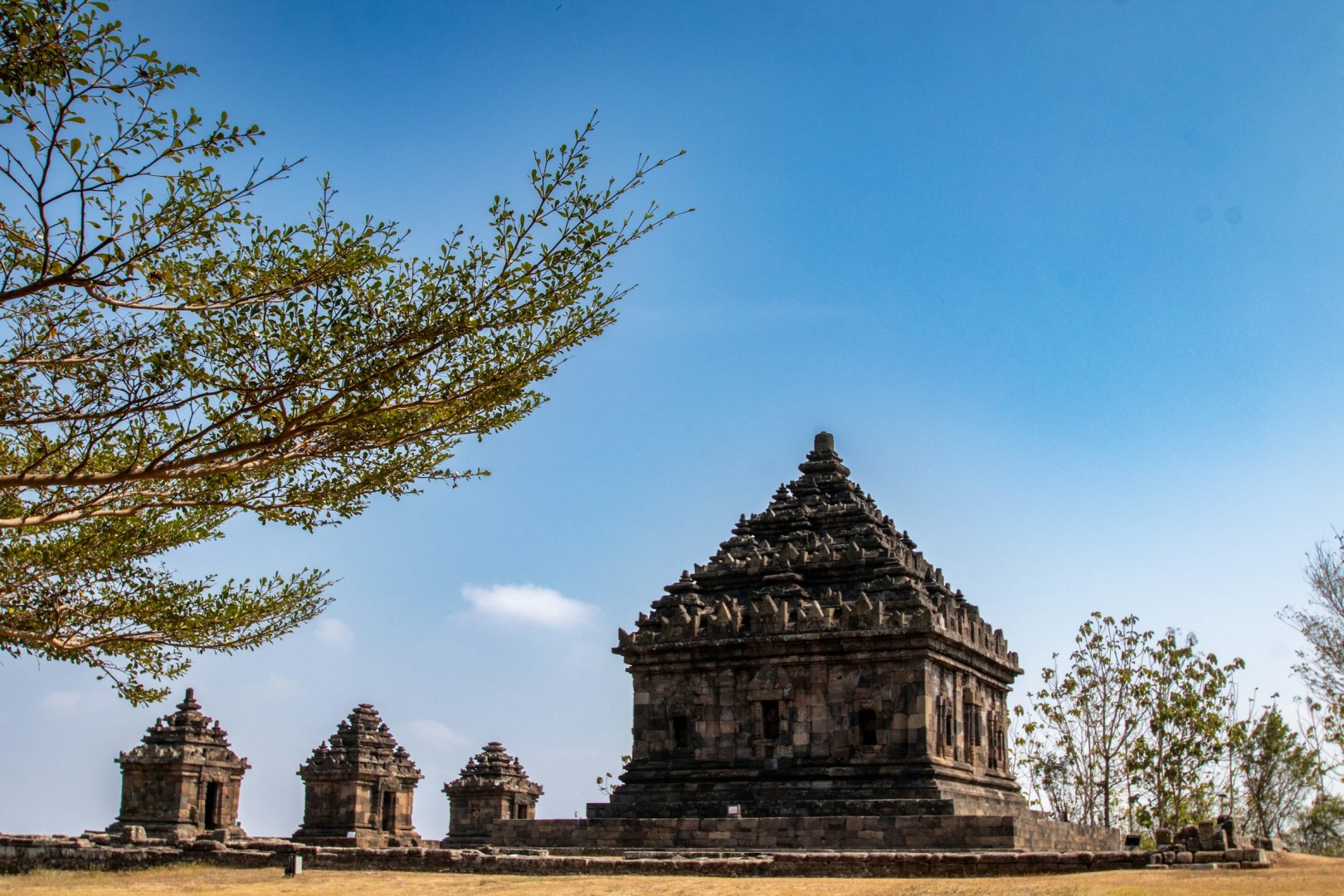
Photo Credit: Budi Puspa Wijaya

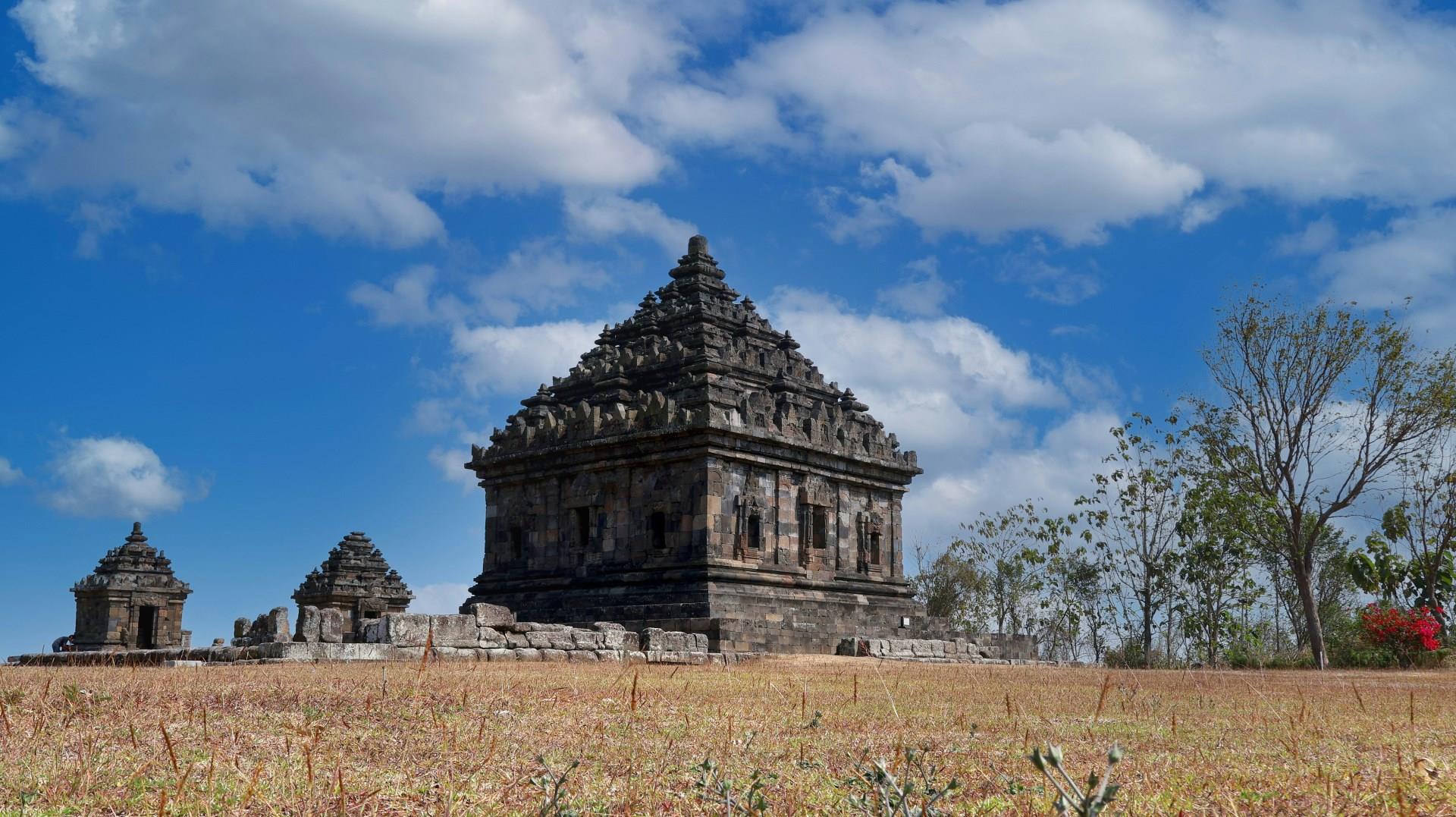
Photo Credit: Photo by bandhaso_cp on Unsplash

Ijo Temple complex
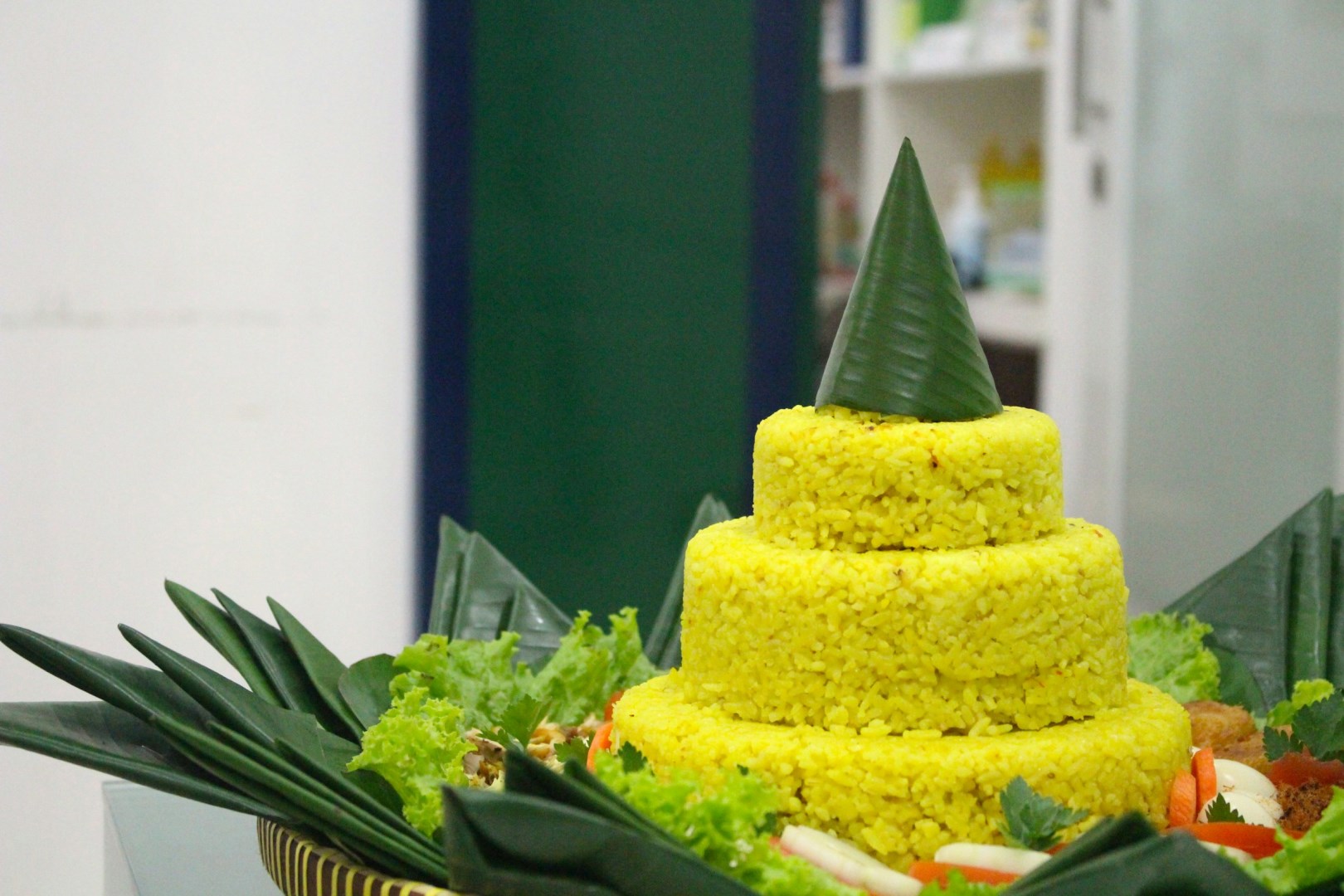
Photo Credit: Photo by Yudiono Putranto on Unsplash

Tumpeng
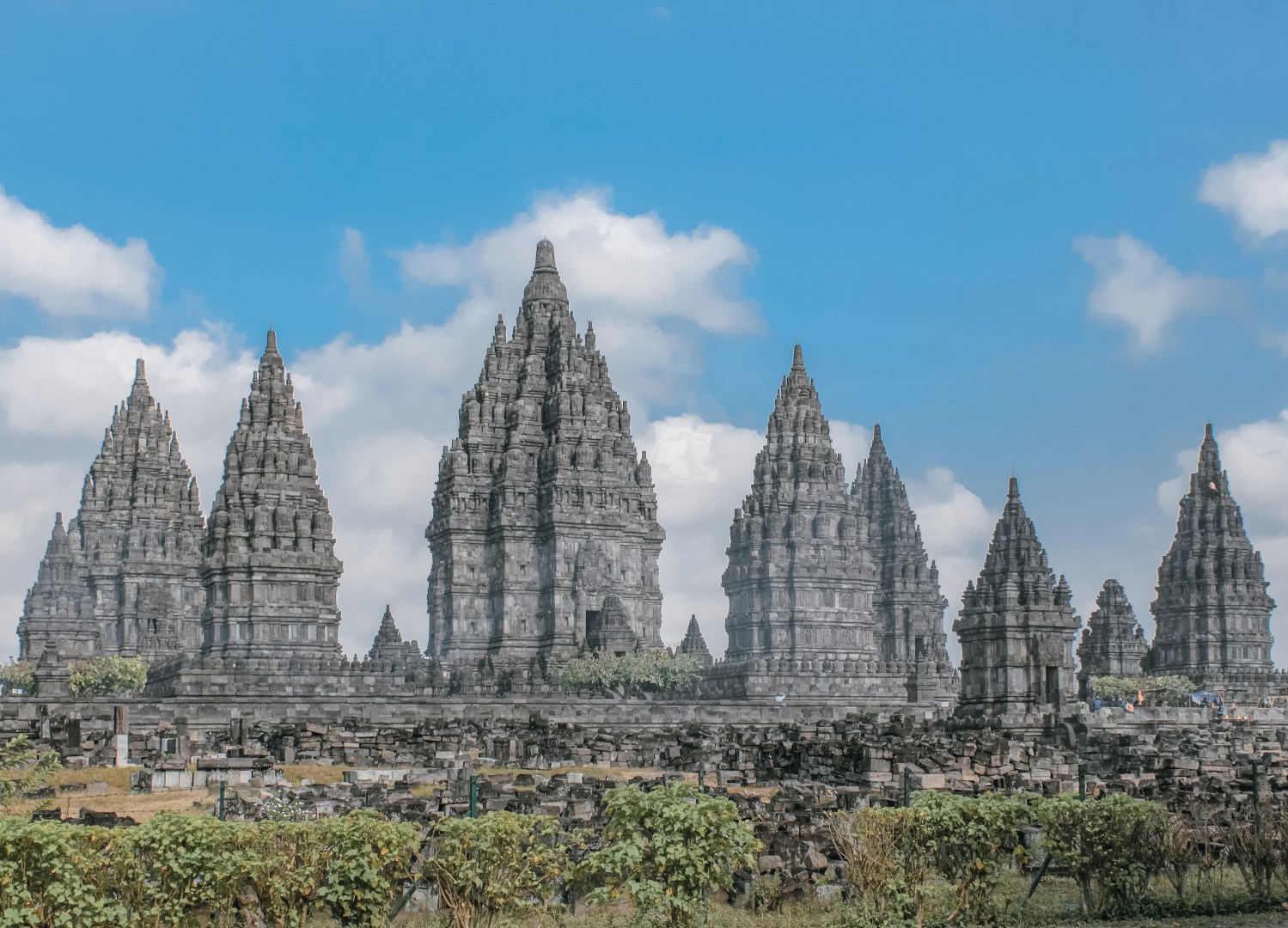
Photo Credit: Photo by Deski Jayantoro on Unsplash

Candi Prambanan
Photo Credit: Photo by Eugenia Clara @fleetingstill on Unsplash
Yogyakarta, on the island of Java, is often described as Indonesia’s cultural capital, a reputation grounded in living tradition rather than nostalgia. It remains the seat of a functioning sultanate, and the royal palace, or kraton, anchors the city’s identity through ceremonies, crafts, and court arts that continue to shape everyday life. The city also played a key role in Indonesia’s struggle for independence, giving it a strong sense of civic pride and historical awareness.
The landscape around Yogyakarta is defined by powerful contrasts. To the north, Mount Merapi rises as one of Indonesia’s most active volcanoes, influencing both soil fertility and local belief systems. Southward, rivers cut through the plain toward the Indian Ocean, while nearby sites like Borobudur and Prambanan sit within a broader cultural landscape that blends agriculture, spirituality, and ancient engineering.
Yogyakarta’s atmosphere is reflective yet lively. Street food stalls, batik workshops, and student neighborhoods keep the city engaged and curious, while evenings often unfold at an unhurried pace.
Other Popular Destinations in Indonesia
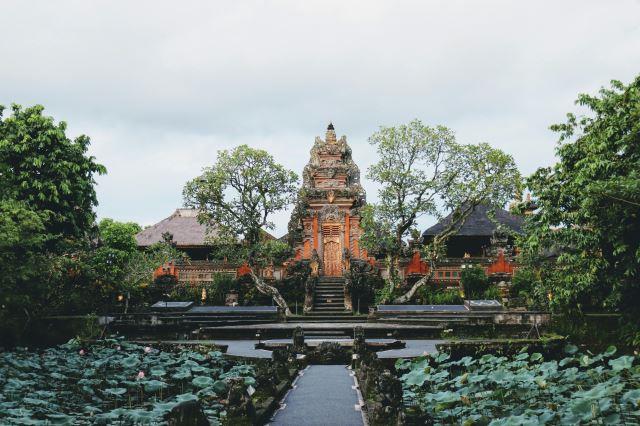
Ubud lies in the uplands of central Bali and has long been regarded as the island’s cultural and spiritual heart. Historically a center for healing and royal patronage, the town developed around temples, palaces, and traditional villages that supported dance, painting, woodcarving, and ritual life.
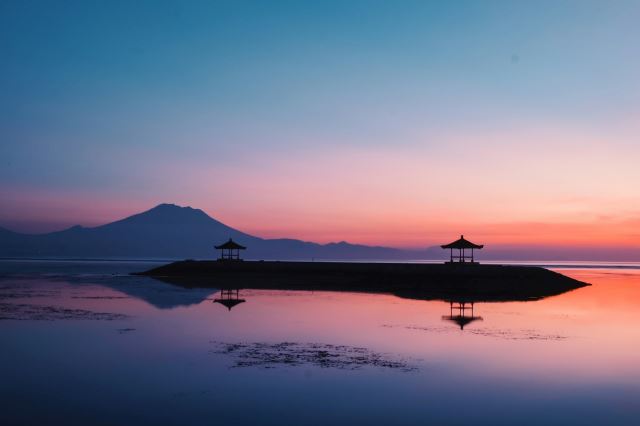
Sanur, Bali's oldest resort village, has an atmosphere rich in culture, unmatched beauty and charm. Hotels are nestled among fragrant tropical gardens, and shops line tree shaded lanes. Far from the hustle and bustle of Kuta, Sanur's relaxed atmosphere has remained unchanged for centuries.
|
|






 Carnival Cruise Lines
Fun for All. All for Fun.
Carnival Cruise Lines
Fun for All. All for Fun.
 Celebrity Cruises
Nothing Comes Close
Celebrity Cruises
Nothing Comes Close
 Cunard Line
The Most Famous Ocean Liners in the World.
Cunard Line
The Most Famous Ocean Liners in the World.
 Disney Cruise Line
Magic Included!
Disney Cruise Line
Magic Included!
 Holland America Line
Savor the Journey.
Holland America Line
Savor the Journey.
 MSC Cruises























 Call Us